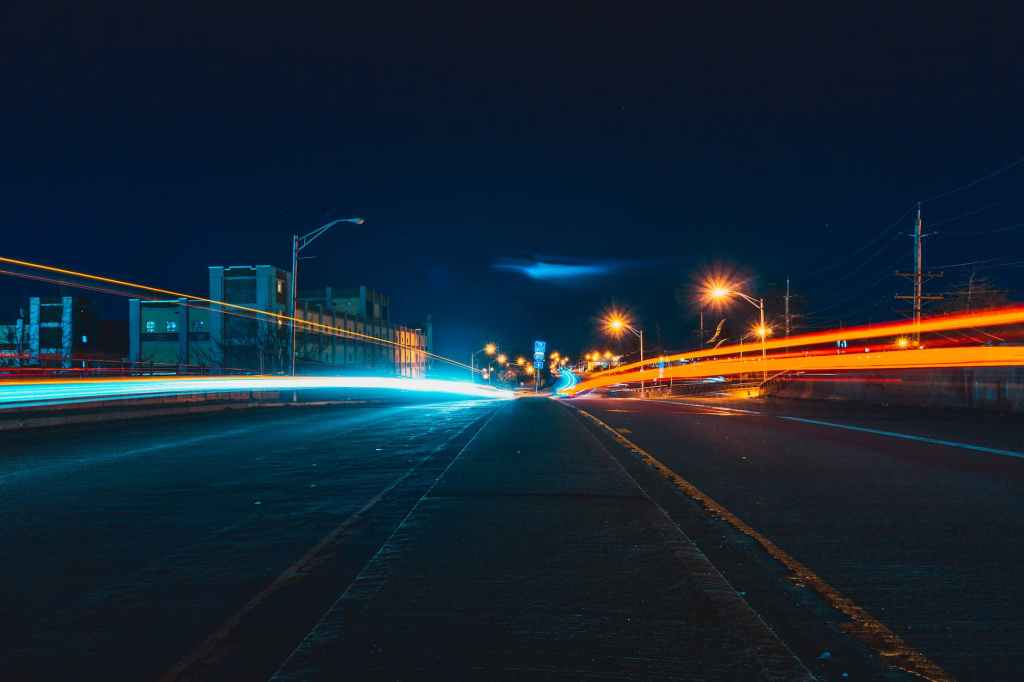
Street photography is an exciting and dynamic genre that captures the essence of life in public spaces. However, when practicing street photography, it’s important to be mindful of the legal laws and rules that govern this art form. As a professional copywriting journalist, I’ve researched extensively on the topic and I’m excited to share my knowledge with you.
In this section, I’ll explore the legal laws and rules that apply to street photography in the United States. We’ll cover the key regulations photographers should be aware of to ensure they are capturing captivating shots while staying within the boundaries of the law. So, grab your camera, let’s get started!
Key Takeaways
- Street photography is a dynamic genre that requires an understanding of legal laws and rules.
- Photographers must be aware of the legalities surrounding street photography in the United States.
- Understanding key regulations related to the First Amendment is important for street photographers
- Compliance with legal laws is critical in street photography to avoid any potential legal issues.
- By following practical tips and advice, photographers can enhance their street photography while respecting both the law and their subjects.
Understanding the Legalities of Street Photography in the U.S.
As a street photographer in the United States, it’s crucial to understand the legalities that come with this type of photography. While the First Amendment protects the right to take pictures in public places, there are still some limitations and restrictions to be aware of.
First Amendment Rights
The First Amendment of the U.S. Constitution provides a strong basis for photographers’ rights when taking photos in public spaces. Individuals – including photographers – are generally allowed to photograph anything that is in plain view from public spaces. This means that you have the right to take pictures of buildings, people, and objects in public spaces.
Limitations to First Amendment Rights
While the First Amendment provides photography rights, there are also some limitations to be aware of. For example, if you are photographing on private property, you will need to get permission from the owner. Additionally, if you are taking pictures of children, you will need consent from their parents. And while you have the right to take pictures of people in public spaces, you cannot harass or stalk them in the process.
How to Avoid Legal Issues
To avoid legal issues when it comes to street photography in the U.S., it’s important to respect people’s privacy and personal space. Be mindful of the types of subjects you are photographing, and ensure that you are not infringing on anyone’s rights. Additionally, if someone requests that you delete a picture you took of them, it’s generally best to comply with their request so as to avoid any further issues.
Tips for Complying with Legal Laws in Street Photography
As discussed in the previous section, there are legal laws and rules that apply to street photography. Here are some practical tips to help you comply with these laws:
1. Obtain Consent From Subjects
It’s essential to ask for permission from the subject you want to photograph before clicking the shutter button. If you’re taking pictures in a public space, it’s not always legally required to obtain permission, but it’s still respectful and ethical to do so. If you’re photographing a minor, it’s crucial to obtain permission from their parent or guardian.
2. Understand Private Property Rights
If you’re photographing on private property, you need to obtain permission from the owner or manager before you begin. If you don’t, you could potentially face legal consequences. Be sure to respect any posted signs indicating that photography is prohibited.
3. Respect the Privacy of Individuals in Public Spaces
Remember that individuals have a right to privacy, even when in public spaces. If someone asks you not to take their picture, it’s best to comply with their request. Similarly, avoid photographing individuals in compromising or vulnerable situations, as this can be perceived as intrusive and disrespectful.
4. Be Mindful of Your Surroundings
Photographers should always be aware of their surroundings and respect the cultural and social norms of the area they’re shooting. For example, it’s not appropriate to take photographs of people engaged in religious or cultural practices without their explicit permission. It’s also essential to avoid any potentially hazardous situations while taking photographs.
By following these tips, photographers can capture stunning images while remaining compliant with legal laws and regulations in street photography.
FAQ
What legal laws and rules apply in street photography?
Street photography is subject to various legal laws and rules in the United States. Photographers need to be aware of the First Amendment rights that protect their freedom of expression, but they should also consider the limitations and restrictions that apply to capturing images in public spaces.
How is street photography protected under the First Amendment?
Street photography is generally considered a form of artistic expression, protected by the First Amendment’s guarantee of freedom of speech. This means that photographers have the right to take photos in public spaces, as long as they do not violate any other laws, such as intruding on someone’s reasonable expectation of privacy or engaging in harassment or stalking.
Are there any restrictions on photographing people in public?
While street photographers have the right to capture images of people in public, there are some restrictions to be aware of. These include obtaining consent from individuals if the photo is intended for commercial purposes, respecting the privacy of individuals, and refraining from capturing photos that could be considered defamatory or invasive of someone’s private life.
Can I sell or publish street photographs without obtaining consent from the subjects?
In general, consent is not required to sell or publish street photographs, as long as they are used for non-commercial purposes. However, if the photographs are intended for commercial use, it’s advisable to obtain consent from the subjects to avoid potential legal issues.
Can I take street photographs on private property?
Photographing on private property without permission is generally not permitted. While public spaces like streets and sidewalks are fair game for street photographers, entering private property without authorization can lead to legal consequences. It’s important to respect the rights of property owners and seek permission if necessary.
What should I do if someone confronts me while taking street photographs?
If someone confronts you while taking street photographs, it’s essential to remain calm and respectful. Politely explain your rights as a photographer and try to address any concerns they may have. However, if the situation becomes aggressive or threatening, it’s best to disengage and prioritize your safety.
Are there any specific photography license requirements for street photographers?
In general, street photographers do not need a specific license to practice their craft. However, it’s important to familiarize yourself with the local laws and regulations in your area, as certain cities or regions may have specific requirements or restrictions that need to be followed.
How can I protect my street photographs from being used without my permission?
To protect your street photographs from unauthorized use, it’s recommended to watermark your images with your name or logo. Additionally, registering your work with the U.S. Copyright Office can provide you with more substantial legal protection in case of copyright infringement.

 Now Court Law